

A peony bouquet is the most requested and least available thing in Australian floristry. People want them yearround. They exist for about eight weeks. Everything else about buying peonies follows from that fact.
This guide covers the real Australian season, what you should expect to pay, how to choose varieties, and the care that makes the difference between four days and nine.
The Real Season in Australia
Australian-grown peonies run roughly late October to early December.
The bulk of the crop comes out of Victoria’s cooler districts, Tasmania and the New South Wales Southern Highlands and Tablelands. Peonies need genuine winter chill to set buds, which is why they are grown in coldclimate districts and not around Sydney itself.
The season is short and front-loaded. Early varieties appear in mid to late October, the peak is generally the first three weeks of November, and it tapers off by early December. Some Tasmanian growers extend a little later.
Outside that window, any peony available in Sydney is imported – typically from New Zealand in the shoulder months, or from the northern hemisphere (the Netherlands, Chile, occasionally the United States) during the Australian off-season. Imported peonies are expensive, sometimes several times the in-season price, and they have already spent days in transit.
Practical implication: if you want a peony bouquet, plan around October and November. If your occasion falls in March, ask for something else. The suggestions further down are genuinely good rather than consolation prizes.
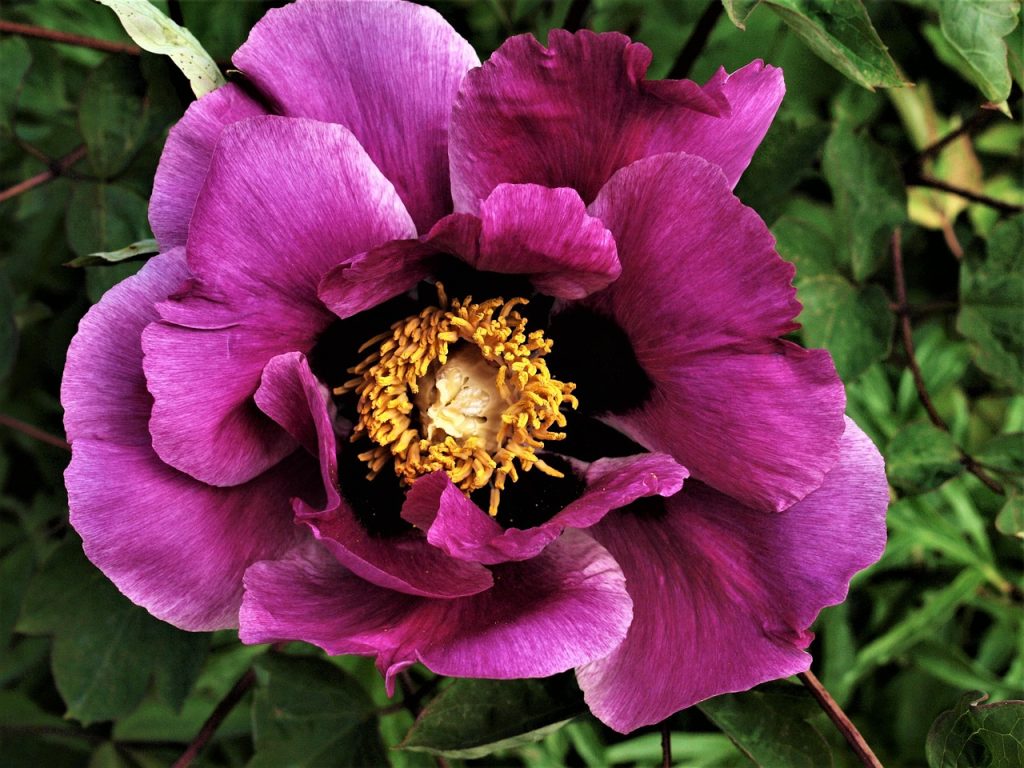
What a Peony Bouquet Costs
Rough Sydney guidance for 2026, buying direct from a workroom.
In season (late October to early December):
- A few peonies mixed into a seasonal bouquet – $110-160
- A modest peony-led bouquet, 5-7 stems with supporting flowers – $160-240
- A generous peony bouquet, 10-12 stems – $250-400
- A statement bouquet, 20+ stems – $500-800
Out of season (imported): expect roughly double to triple the above, subject to availability, and with no guarantee. Some weeks there are simply none in the country.
Peonies are sold and priced by the stem, and stem prices swing week to week through the season. Early and late in the window they cost more; at peak they are as reasonable as they get.
Order ahead. Peonies sell out. In peak season a florist will typically buy them against confirmed orders, so a week’s notice genuinely changes what you can get.
Varieties Worth Knowing
Not all peonies look alike, and asking for a variety by name gets you a better bouquet.
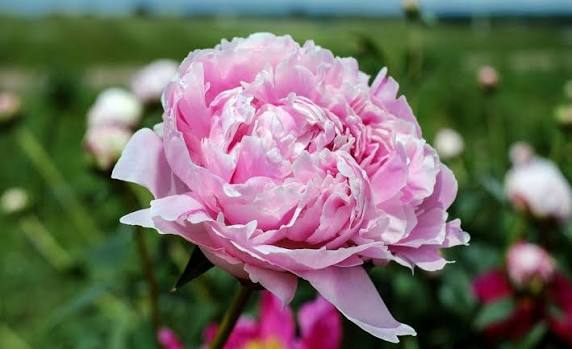
- Sarah Bernhardt – the classic. Soft pink, enormous ruffled double, reliable and widely grown. If someone pictures a peony, this is it.
- Duchesse de Nemours – white with a faint cream centre, strongly fragrant. Elegant.
- Coral Charm – opens deep coral and fades to peach and cream as it ages, so it changes over its whole vase life. Genuinely spectacular.
- Red Charm – deep crimson, dense, dramatic.
- Festiva Maxima – white with tiny crimson flecks at the centre. Old-fashioned and lovely.
- Bowl of Beauty – single pink with a cream centre boss. Lighter and more informal than the doubles.
A note on stage. Peonies are cut and sold in tight bud, at what growers call the marshmallow stage – the bud gives slightly when squeezed. This is correct and not a sign of poor quality. A fully open peony has days left, not a week. If you need them open for a specific date, tell your florist and they will time it.
Getting Them to Open
This is the part people ask about most and the answer is simple.
They open in warmth. A tight peony bud in a cool room stays tight. Move it somewhere warmer and it will open over one to three days.
To speed it up: recut the stem, place it in slightly warm water, and put it in a warm room. Gently rolling the bud between your palms can also help break the seal on stubborn buds.
To slow it down: keep them cool and out of sunlight. Peonies can be held in a fridge for several days in bud if you need them for a specific date – away from fruit, which will ruin them.
Buds that never open are usually cut too tight. If a bud is rock-hard with no give, it may not come. A good florist buys at the right stage precisely to avoid this.
Care That Doubles Vase Life
Peonies are thirsty and heavy-headed, which makes care matter more than for most flowers.
- Recut 2-3cm at a 45-degree angle with sharp blades, straight away. Blunt blades crush the stem and stop water moving.
- Wash the vase in hot soapy water and scrub it. Bacteria is the number one cause of premature death in cut flowers.
- Strip all foliage below the waterline. Peony leaves are large and rot fast.
- Use deep water. Peonies drink heavily. A shallow vase will run dry in a day.
- Use the flower food sachet and dissolve it fully.
- Change the water completely every second day and recut. Peonies foul water faster than most flowers because they drink so much.
- Keep them away from the fruit bowl. Ethylene from ripening fruit will finish a peony overnight.
- Out of direct sun. They open faster in warmth, which you may want, but direct afternoon sun will blow them open and then over within a day.
The science behind the water-change advice is well established. Australian research on antimicrobial treatment and vase life in cut flowers recorded a 62% extension in vase life purely by suppressing microbial growth in the vase water and preventing vascular blockage. Clean water changed often is not fussiness; it is the single highest-leverage thing you can do.
Alternatives That Genuinely Work Out of Season
If you want the peony look between December and September, these deliver the same effect.
- Garden roses, particularly the David Austin types and the cabbage-headed varieties. Layered, ruffled, fragrant. The closest match available and superb year-round.
- Ranunculus (winter and spring) – tightly layered petals, exactly the same visual logic at a smaller scale, and beautifully inexpensive.
- Double lisianthus – ruffled, romantic, and lasts twice as long as a peony.
- Dahlia (summer and autumn) – the dinner-plate varieties are enormous and every bit as dramatic.
- Double tulip (winter and spring) – genuinely peony-like, and often sold as “peony tulip”.
- Camellia (winter) – underused as a cut flower and structurally very similar.
- Hydrangea – different shape, similar generosity of volume.
Ask for “the peony feeling, in season, this is my budget” and a competent florist will get you 90% of the way there for a fraction of the imported price.
The Wedding Question
Peonies and weddings are a recurring collision, so worth being direct.
If your wedding is in late October or November, peonies are Australian-grown, in season and merely expensive rather than absurd. Book them early – they sell out and florists buy against confirmed orders.
If your wedding is any other time, the honest advice is to build the palette around what is superb in your month. Chasing imported peonies for a March wedding costs several times as much, carries real supply risk, and produces a worse bouquet than well-chosen autumn stems. Garden roses in the same tones will get you the look.
Heat warning. Fully open peonies are fragile out of water and blow out fast in Sydney heat. For a hot outdoor day, ask for them slightly closed and keep the bouquet in water until the last possible moment.
Why the Season Is Short: The Horticulture
Peonies are herbaceous perennials that require sustained winter chill to initiate flower buds, which restricts commercial growing in Australia to cool-climate districts and produces a compressed harvest window.
NSW has a substantial cut flower industry overall – concentrated around the Sydney basin, the Hills District and the Central Coast for traditional flowers, with cooler inland and tableland districts supporting different crops. The state’s horticulture and primary industries resources set out how production is distributed and note that most local flowers sell through the Sydney flower market.
The peony’s brevity is also, honestly, part of why people love it. It is a genuine seasonal event in a trade where most things are available year-round.
Delivery Notes for Sydney
- Order ahead in season. A week’s notice in November materially changes what your florist can source.
- Include the recipient’s mobile number. Peonies should not sit at a door.
- Ask for a vase arrangement if there is any chance of delay – peonies out of water in heat do not recover.
- Take the morning run in warm weather.
- Say what date you need them open by, so the florist can buy at the right stage.
Lower North Shore same-day cut-offs run around 1pm for the core ring (North Sydney, Cremorne, Neutral Bay,
Mosman, Cammeray, Crows Nest, Kirribilli, Milsons Point, Lavender Bay, McMahons Point, Waverton,
Wollstonecraft), 11am to midday for Chatswood, Willoughby, Lane Cove, Artarmon, Naremburn, Greenwich, Riverview, Longueville, Roseville, Manly and Seaforth, and 10am to 11am for Hunters Hill, Woolwich, Gladesville, West Pymble, Clontarf and Balgowlah Heights.
The Bottom Line
A peony bouquet in Sydney is a late-October-to-early-December proposition. In season, order a week ahead, ask for a named variety, expect $160-400 for something peony-led, and accept them in tight bud because that is correct. Recut deeply, use deep water, change it every second day, and keep them away from fruit. Outside the season, ask for garden roses or double lisianthus instead – you will spend a third as much and get a better bouquet than an air-freighted compromise.