
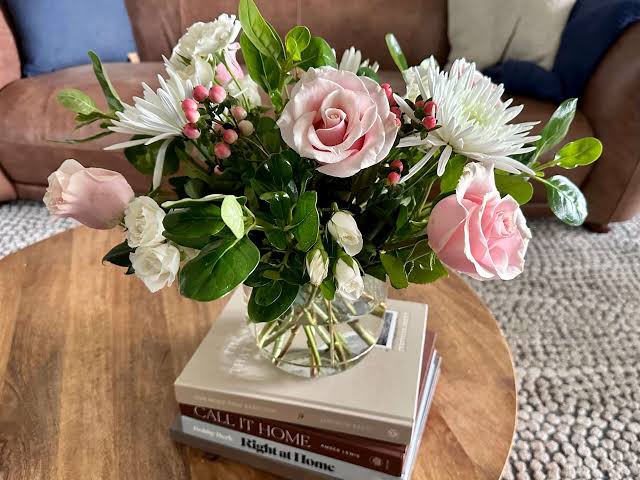
Mother’s Day is the largest single day in Australian floristry – bigger than Valentine’s Day by volume – and it falls on the second Sunday in May. In 2026 that is Sunday 10 May.
Mothers Day roses are the most-ordered item of that weekend, and they are also a genuinely good choice, for a reason most people do not know: May is a far better rose month in Australia than February.
Why May Roses Are Better Than February Roses
This is the useful part.
Roses prefer cooler conditions. Mid-February in Sydney is peak heat and humidity, which is close to the worst possible time for local rose production. Most Valentine’s supply is imported or grown under protection, and it costs accordingly.
May is autumn. Cooler nights, gentler days, and genuinely good conditions for Australian-grown roses. Autumn roses tend to have better colour saturation, firmer petals and noticeably longer vase life than summer roses.
The demand spike is different. Valentine’s Day concentrates global demand on one product – long-stemmed premium red – on one date. Mother’s Day demand is spread across colours, varieties and flower types, so the price pressure on any single line is far less severe.
The practical result: your money goes further on Mothers Day Roses than on Valentine’s Day, and the roses last longer. Prices do rise across the weekend, but nothing like the February spike.
Which Colours Actually Suit
Red is the wrong choice, and this is worth being clear about.
Red roses read as romantic. That association is so strong now that sending red roses to your mother lands slightly oddly. It is not a scandal, but it is not the right note either.
What works:
- Pink – the traditional Mother’s Day rose colour and still the best default. Soft blush through to deep dusty rose.
- Cream and ivory – elegant, restrained, expensive-looking.
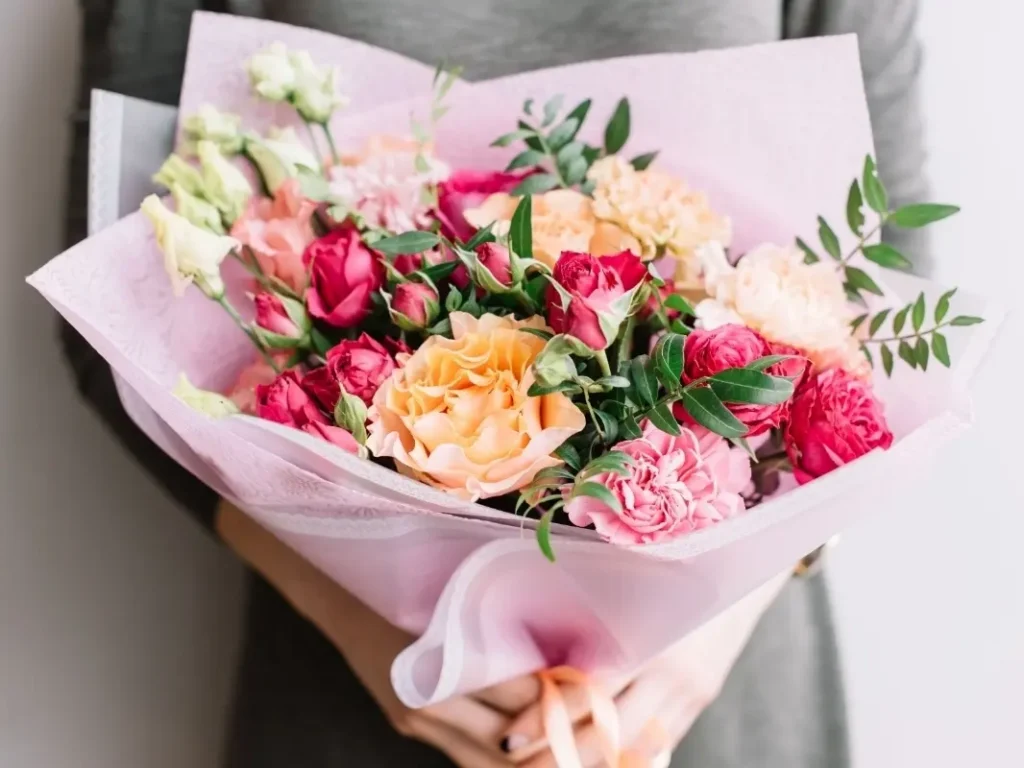
- Peach, apricot and coral – warm, generous, and superb under autumn light. Personally my favourite for this occasion.
- Yellow – reads as cheerful and appreciative. Excellent choice, and traditionally associated with gratitude.
- Dusty and antique tones – the muted mauves, soft bronzes and faded pinks. Sophisticated and very current.
- White – beautiful, but needs volume to read as luxurious rather than sparse. Do not order white on a tight budget.
Mixed pink and cream with autumn foliage is the brief that almost never disappoints.
What to Expect to Pay
Rough Sydney guidance for 2026, buying direct from a workroom:
- Six roses, wrapped – $70-110
- A dozen roses, wrapped – $120-190
- A dozen in a vase – $160-250
- Two dozen – $240-380
- Roses mixed into a seasonal autumn arrangement – $110-200
- Garden roses (fewer stems, more impact) – $140-260
Note the ranges are meaningfully lower than the Valentine’s equivalents. That is the seasonal advantage.
Better value than straight roses: ask for roses as the focal flower within a seasonal autumn arrangement. Six or eight roses supported by chrysanthemum in antique tones, lisianthus, dahlia and berried foliage looks considerably more generous than a dozen roses alone, for the same money.
Order Early. This Is the Big One.
Mother’s Day is the busiest delivery weekend of the year in Australia and capacity genuinely runs out.
Order at least a week ahead, two if you can. Florists buy for Mother’s Day against confirmed orders. Order early and your roses are bought specifically, conditioned properly and reserved for you.
Consider Friday or Saturday delivery. Sunday delivery capacity is the scarcest thing in the industry that weekend, and many florists cap it or charge a premium. Flowers delivered Saturday are fresher on Sunday than same-day roses that spent the morning in a hot van. Roses conditioned properly on Friday will be perfect for a full week.
Expect wide delivery windows. Any florist promising a narrow window on Mother’s Day weekend is overpromising. Plan around a half-day window.
Book a specific time only if genuinely necessary – a lunch booking, a retirement village with set reception hours – and say so at the time of ordering, not on the day.
Varieties Worth Asking For
Asking for a variety by name gets you a better product.
- Sweet Avalanche, Faith, Titanic – reliable soft pinks, large heads, excellent vase life.
- Quicksand and Sahara – the dusty, antique beige-pinks. Very current and quietly beautiful.
- Peach Avalanche and Shimmer – warm apricot tones, superb in autumn light.
- Vendela – the standard cream. Large head, blush centre.
- Garden roses (David Austin types and cabbage-headed varieties) – layered, ruffled, fragrant. Fewer stems needed for the same impact, and the most beautiful option available.
Guard petals – the slightly bruised outer petals – are left on deliberately to protect the bloom in transit. They are a sign of proper handling. Peel them off when the roses arrive.
Autumn Is a Genuinely Great Flower Season
Worth widening the brief, because May in Sydney is one of the best months in the flower calendar.
Alongside roses: chrysanthemum in the modern antique bronzes, burgundies and green-centred whites (and worth noting chrysanthemum is the traditional Mother’s Day flower in Australia); dahlia in the dinner-plate varieties; protea, banksia and leucadendron; celosia; lisianthus; and berried, rust-toned and copper foliage.
Autumn stems have the longest vase life of the year and the best value. A brief of “roses plus whatever is superb in autumn, in pinks and creams, this is my budget” will beat a straight dozen roses almost every time.
Where the Roses Come From
Worth asking, because it affects how long they last.
NSW has a substantial commercial cut flower industry, with rose growing concentrated around the Sydney basin and the Central Coast, plus a significant native and wildflower sector along the coastal strip. The state’s horticulture and primary industries resources describe how production is organised and note that most local flowers sell through the Sydney flower market at Flemington. Australia also imports a substantial volume of cut flowers, and imported roses tend to be higher-volume and lower-value.
The longevity difference is measurable. Australian postharvest research on vase life determinants in cut flowers and foliage found harvest season to be the single most influential factor in how long stems held, with proper postharvest handling adding roughly 40% on average. Autumn-harvested, locally grown, well-conditioned roses are about as good as cut roses get in Australia.
Delivering to Aged Care and Retirement Villages
A large share of Mother’s Day deliveries go somewhere with rules, and Mother’s Day is the single busiest day for these facilities.
Ring reception ahead. Ask about the preferred delivery window, whether flowers go to the room or the front desk, and whether there is a vessel policy – some facilities prefer unbreakable vases in resident rooms.
Send a vase arrangement, not a wrapped bouquet. An older recipient should not have to find a vase and trim stems. A vase arrangement arrives ready to place.
Keep it liftable. A spectacular arrangement nobody can move is a problem, not a present.
Consider a standing order instead. Fortnightly deliveries for three months, at a set budget, is the same money spread out and it turns Mother’s Day into a season. For a mother living alone, this is comfortably the best gift a florist can arrange.
Delivery Cut-Offs on the North Shore
These tighten sharply across Mother’s Day weekend, so treat them as best-case:
Around 1pm normally: North Sydney, Cremorne, Cremorne Point, Neutral Bay, Kurraba Point, Mosman, Cammeray, Crows Nest, Waverton, Wollstonecraft, McMahons Point, Lavender Bay, Milsons Point, Kirribilli.
11am to midday: Chatswood, Willoughby, Northbridge, Artarmon, Naremburn, St Leonards, Lane Cove, Greenwich, Riverview, Longueville, Linley Point, Roseville, Manly, Seaforth.
10am to 11am: Hunters Hill, Woolwich, Huntleys Cove, Huntleys Point, Gladesville, West Pymble, Clontarf, Balgowlah Heights, Allambie Heights.
On Mother’s Day weekend, same-day orders commonly close by mid-morning Saturday and may not be available Sunday at all.
Care: Nine Days Instead of Four
- Peel off the guard petals.
- Recut stems 2-3cm at a 45-degree angle with sharp blades.
- Wash the vase in hot soapy water and scrub it properly.
- Strip every leaf below the waterline.
- Use the flower food sachet and dissolve it fully.
- Change the water completely every second day and recut.
- Away from the fruit bowl – ethylene from ripening fruit ages roses overnight.
- Out of the afternoon western sun.
- If a head droops, cut the stem long on an angle and stand it in an inch of just-boiled water for a minute to clear the air lock, then return it to deep cool water. It usually revives completely.
The Card
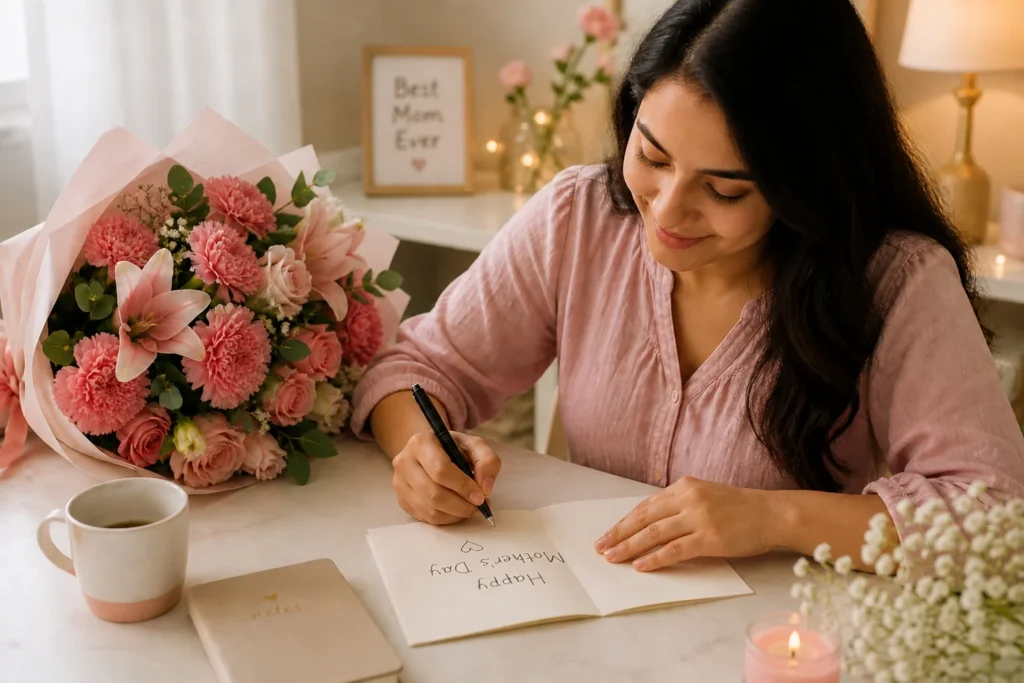
Short, specific, signed. “Happy Mother’s Day” is fine. “Happy Mother’s Day – thank you for thirty years of Sunday phone calls” is better. One concrete detail beats a paragraph of warmth.
The Bottom Line
Mothers Day roses are a genuinely good buy because May is Australia’s better rose season – cooler growing conditions, better colour, longer vase life, and none of the February price spike. Choose pink, cream, peach or yellow rather than red. Order a week or two ahead, take Friday or Saturday delivery rather than fighting for Sunday capacity, and consider roses as the focal flower in a seasonal autumn arrangement rather than a straight dozen. And if your mother lives alone, a fortnightly standing order beats any bouquet you could send.